

The Cultivating Clean Air in Urban Environments project is built around practical activities, carried out in stages, which combine green infrastructure, environmental education, and cross-border cooperation.

Key activities:
Result: a public strategy usable by local authorities and civic organizations.
In parallel, a strategy dedicated to women and climate action is being developed, promoting the role of female leadership in environmental policies.
In the municipality of Ungheni, a pilot urban garden of approximately 0.8 ha will be developed on public land provided by the local authority.
Key activities:
Result: a functional urban garden, open to the community and integrated into the city’s infrastructure.

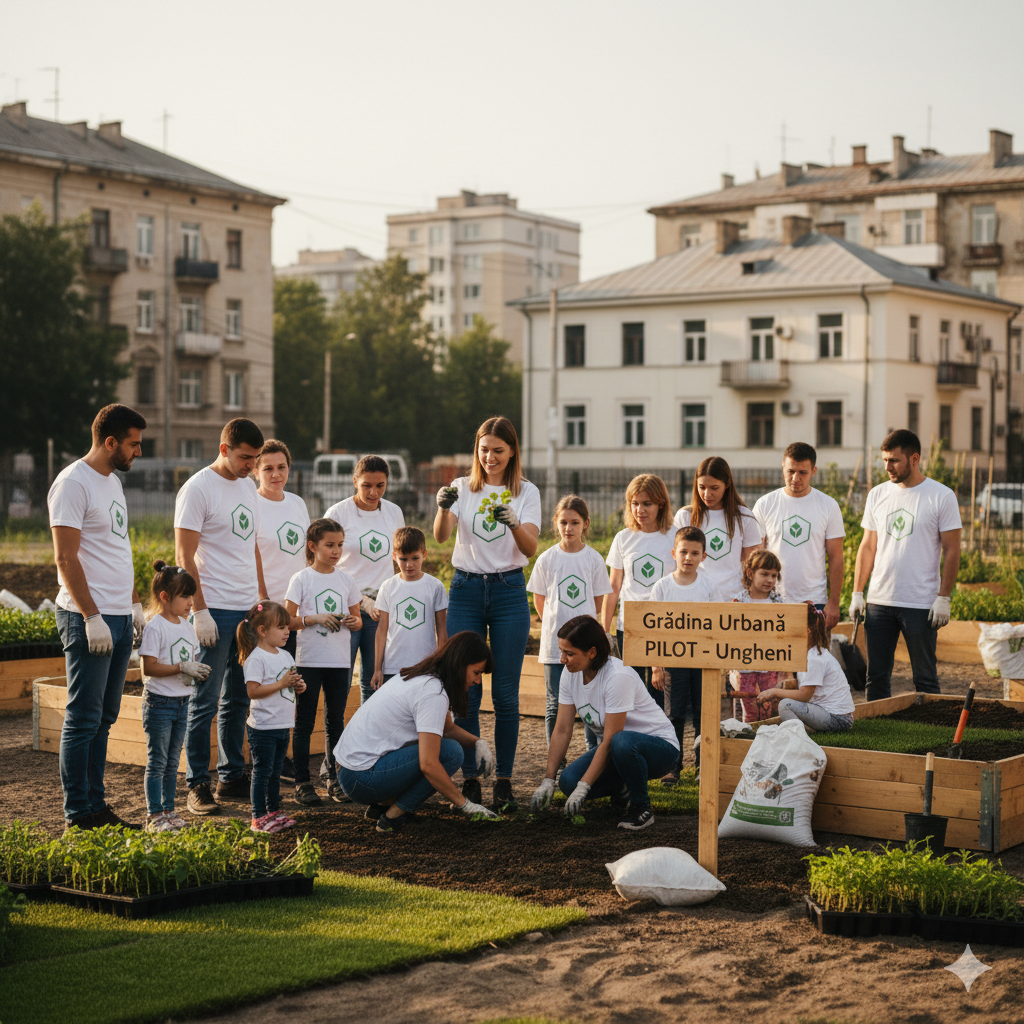
The project includes a series of workshops and educational activities for residents of Ungheni and Iași, as well as other interested stakeholders.
Topics covered:
Result: increased awareness and civic engagement of local communities.
The project facilitates the exchange of best practices between Romania and the Republic of Moldova, leveraging existing experience in urban gardening.
Key activities:
Result: strengthened institutional cooperation and transfer of know-how.

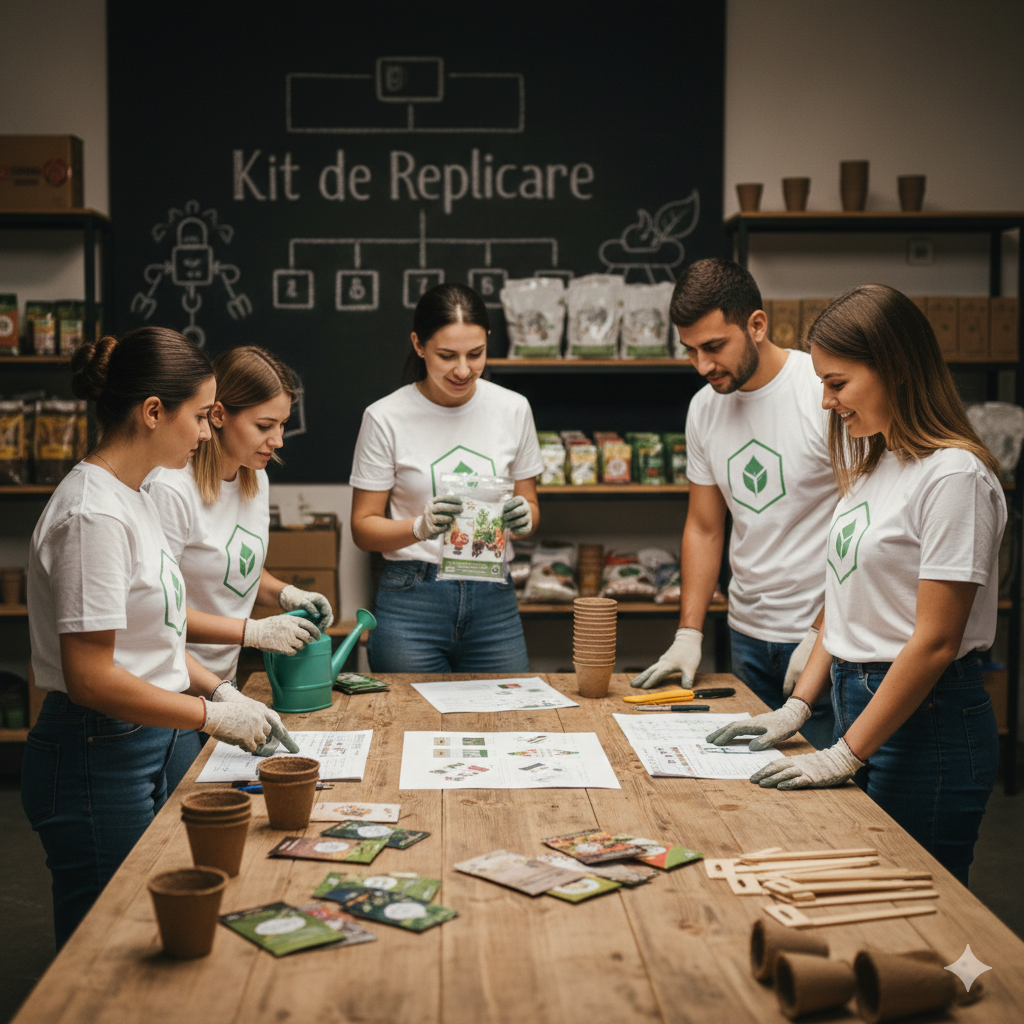
The experience gained will be compiled into a replication kit, enabling other cities and communities to develop their own urban gardens.
The kit includes:
Result: a free, easy-to-use tool with regional applicability.
Folosim cookie-uri necesare pentru funcționarea site-ului. Cu acordul dvs., folosim și cookie-uri pentru preferințe, analiză și marketing.