
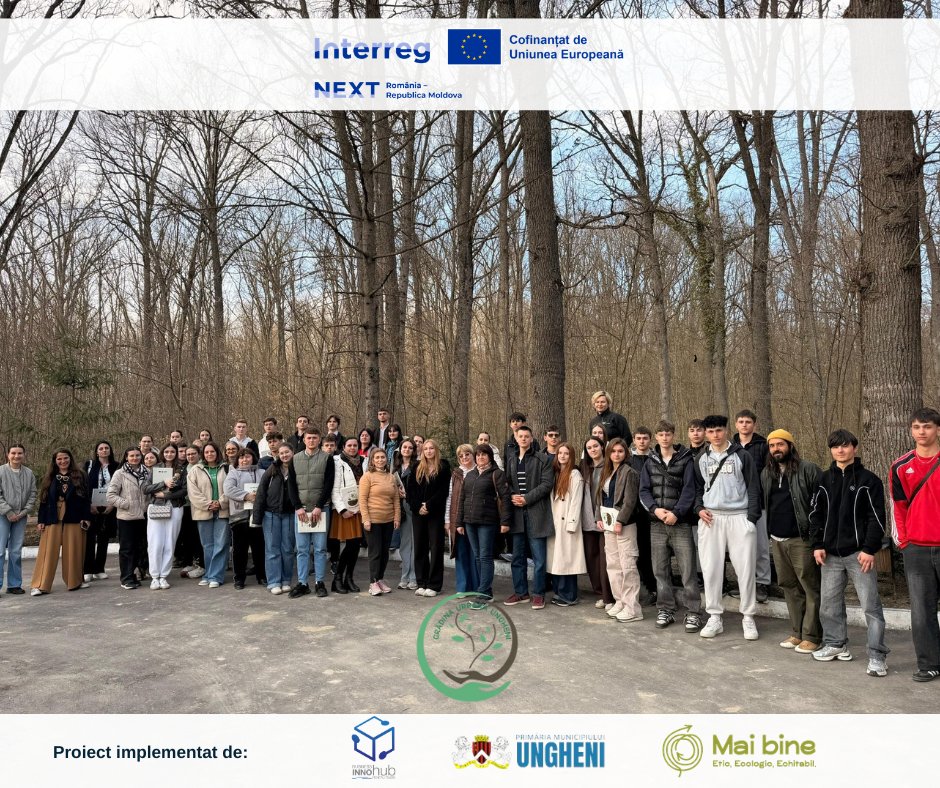
On March 27, the morning at the “Plaiul Fagului” Nature Reserve began with cold air, the smell of the forest, and small groups of people greeting each other as if they had known one another for years, even though some were meeting for the first time.
They were not there for a trip. They had gathered in the middle of nature to exchange ideas and build concrete actions for the Ungheni Urban Garden.
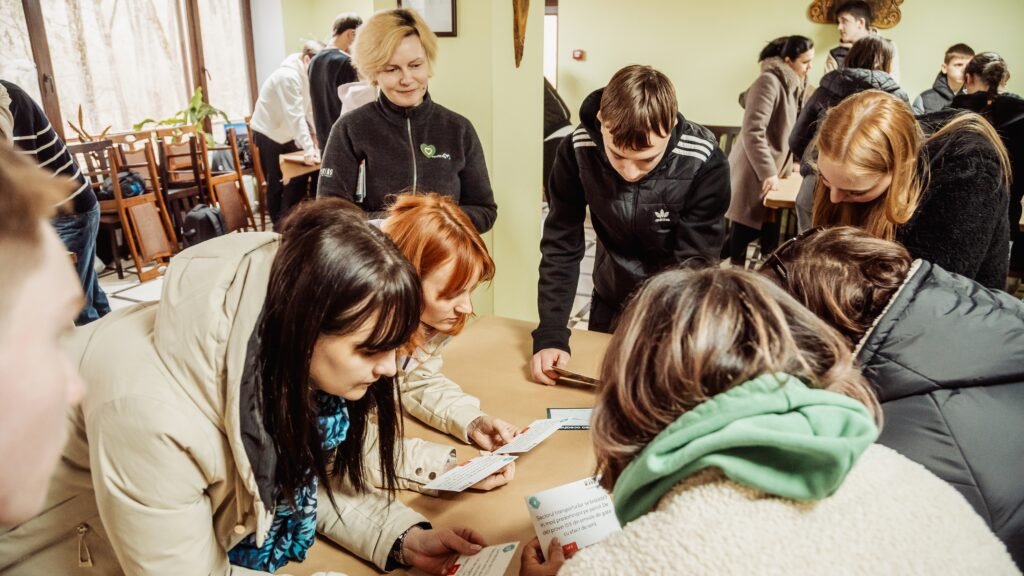
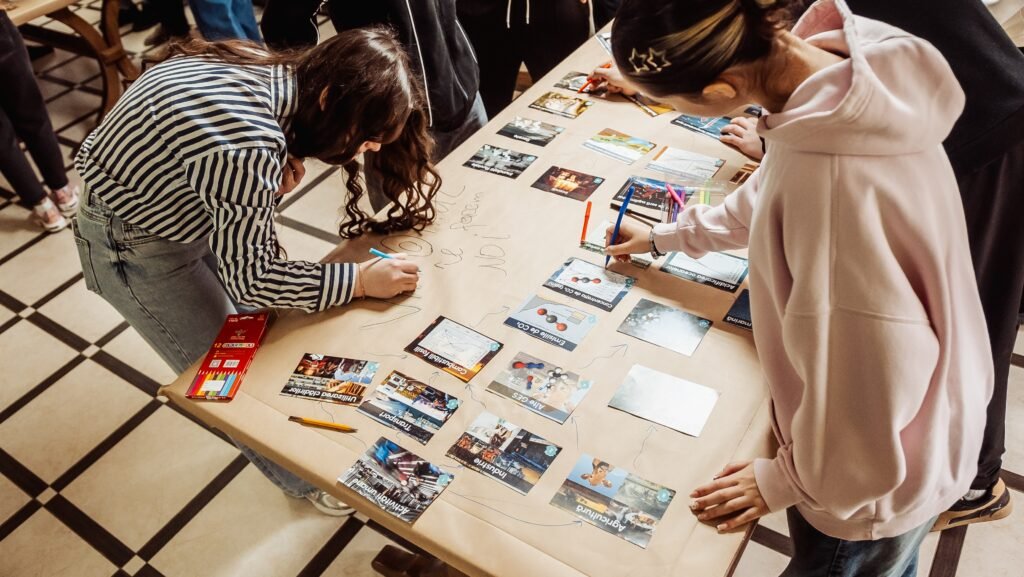
The day did not start with speeches. It started with a game that got more than 60 participants thinking. During the “Climate Fresk” workshop, tables filled with cards, connecting threads, and questions. For several hours, participants worked together to understand how small actions can lead to large-scale solutions.
„“You can’t build solutions if you don’t understand the system you are part of,” said Anca Elena Gheorghică from the “Mai Bine” Association. “Climate Fresk helps you see the connections that are usually invisible.”, a spus Anca Elena Gheorghică de la Asociația „Mai bine”, „iar Fresca Climatică te ajută să vezi legăturile pe care, de obicei, nu le vezi.”
For many, especially the young participants, the exercise felt like a revelation. A high school student, looking at the final map her group had built, said: “I didn’t think climate change could be explained so clearly. Now I feel that what I do actually matters.” It was a moment of collective silence, as each person began reflecting on their own footprint on the planet.Nu credeam că schimbările climatice pot fi explicate atât de clar. Acum simt că și ceea ce fac eu contează sau dăunează.” A fost un moment de liniște colectivă, în care fiecare a început să-și analizeze propria amprentă asupra planetei.
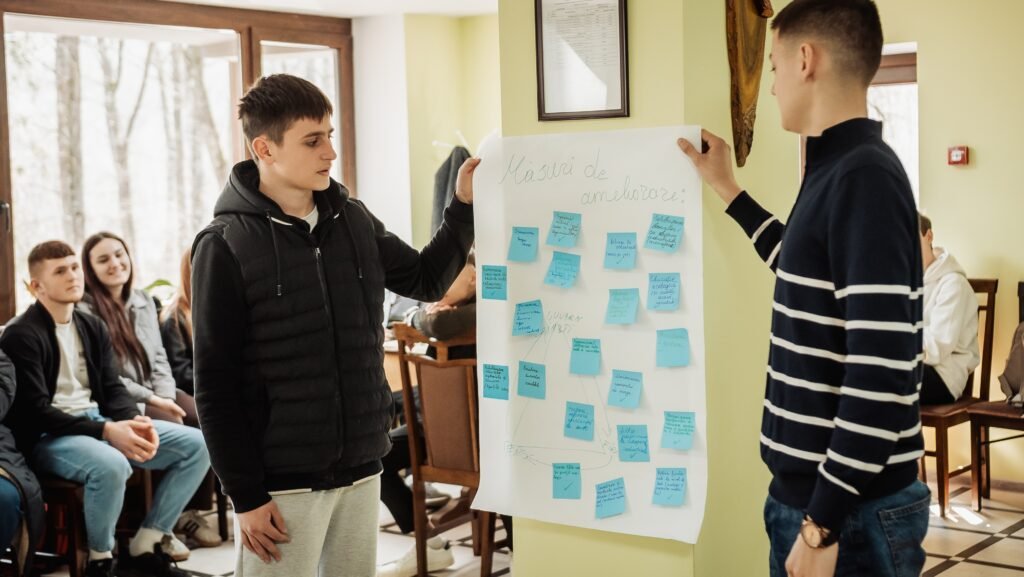
After lunch, reflection turned into discussion. Participants split into groups and spoke openly about the challenges Ungheni city is facing:
“We have too few green spaces…”
„Ardem deșeuri și apoi ne plângem de aer…”
„Avem pungi de plastic peste tot. Ce lăsăm noi în urmă urmașilor noștri?”
These were not complaints. They were starting points for what can be done to build a cleaner, better cared-for community, and to become more mindful of how we relate to the environment.
„“We wanted the Ungheni Urban Garden Forum to be about doing, not just listening,” said Angela Ciocîrlan from the Business InnoHub Association. “People didn’t come here to receive solutions, but to build them together.” And that is exactly what they did. a spus Angela Ciocîrlan, directoarea executivă de la Asociația Business InnoHub. „Oamenii nu au venit să primească soluții, ci să le construiască împreună.”
And that is exactly what they did.
In less than an hour, ideas began to take shape as concrete, practical initiatives:
outdoor learning sessions for children and hands-on composting workshops;
clean-up actions and recycling campaigns;
creating small urban gardens and organizing planting activities;
informing citizens in clear, accessible ways and mobilizing volunteers.
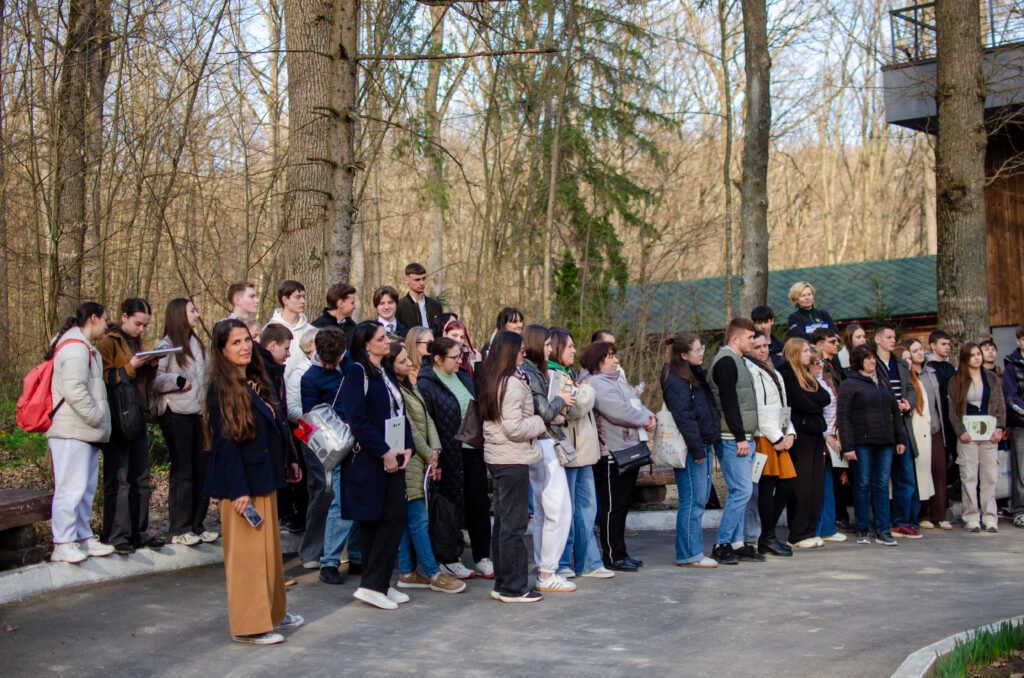
At the end of the day, sitting in a circle, participants were asked: “What are you taking with you from the Ungheni Urban Garden Forum?”Cu ce plec de la Forumul Grădinii Urbane Ungheni?”
“Clarity.”
“Energy.”
“People connections.”
“Courage to start.”
One young participant said quietly:“I realized we can do small things… but important ones.””
In the coming months, what was discussed at the forum will move beyond the forest and into the city: into schools, courtyards, and places that are currently empty or in need of revival. Step by step, these ideas will come together in the Urban Garden that is now beginning to take shape.
The day spent at Plaiul Fagului shifted the perspective of the 60 participants, who will now see their relationship with nature and the environment differently.
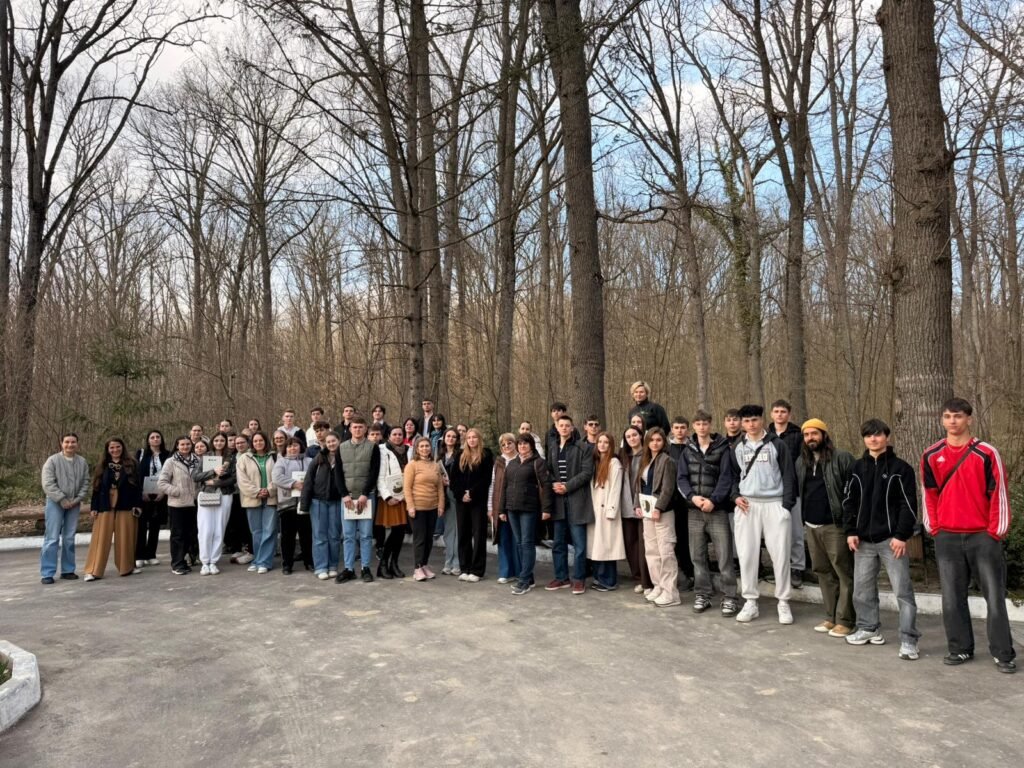
The Ungheni Urban Garden Forum was the first step in a longer journey, where the ideas of one day will become real initiatives in the urban garden — a space built by people, for people; a place that will contribute to cleaner air, protect nature, and strengthen the community.
The project “Cultivating Clean Air in Urban Environments” is made possible through the joint efforts of several organizations: the Business InnoHub Association, the Ungheni City Hall, and the “Mai Bine” Association, with support from the European Union through the Interreg Programme.